Environmental science topics for student projects

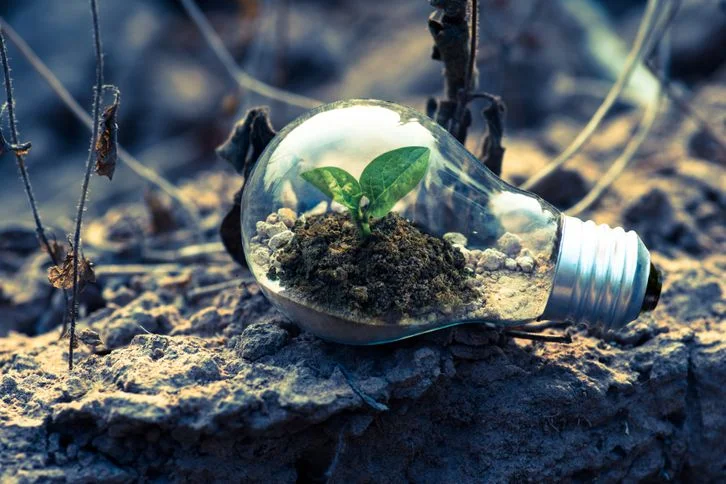
Choosing environmental science topics gets easier when the idea matches the time, tools, and data you can actually use. A strong project asks one answerable question instead of trying to solve a global problem. Start with a local place, a measurable factor, or a change you can observe.
Key takeaways
- Pick a question with one clear variable.
- Use safe methods and repeatable observations.
- Connect the findings to a real community concern.
List of the best environmental science topics
The groups below connect classroom questions to visible environmental issues, from waste habits to changing local habitats. Start with the category that fits the assignment. Then narrow one idea.
10 Easy environmental science project topics
Simple projects work best when the materials are easy to find and the result can be measured in a few days. Choose environmental topics that let you work safely and change only one condition at a time. A notebook, ruler, or phone camera may be enough.
- Compare evaporation in sun and shade.
- Test compost moisture over one week.
- Track litter around school entrances.
- Measure household water use by task.
- Compare reusable and disposable lunch waste.
- Observe insect visits to two plants.
- Test rainwater runoff on soil types.
- Record room temperatures near windows.
- Compare plant growth with mulch.
- Map shade across a schoolyard.
These environmental science topics are useful for a fair display because they give a question, observations, and a takeaway. Students needing another starting point can browse science fair project ideas. A neat chart and a short explanation of limitations will make a modest experiment more convincing.
10 Environmental science project topics for high school students
High school work can include a longer observation period, a local dataset, or a comparison between locations. Choose a question that makes a specific link to environmental issues without requiring expensive equipment. Get permission for surveys or sampling on public property.
- Compare heat on asphalt and grass.
- Map tree cover near bus stops.
- Test soil pH in nearby parks.
- Audit cafeteria food waste weekly.
- Compare bike and car commute patterns.
- Measure particulate levels near traffic.
- Track pollinator activity by plant type.
- Study runoff after different rainfall amounts.
- Compare recycling contamination by location.
- Assess invasive plants along a trail.
A spreadsheet can reveal patterns that are hard to see in a notebook. For help choosing graphs or interpreting a sample, see these statistics project ideas. The best high school projects explain what the evidence can show and what it cannot.
10 Environmental science project topics for college students
College assignments often require a research question, source review, and a method that can be defended. Turn each broad prompt into an environmental science topic with a place, time frame, population, and outcome. That scope keeps the paper from becoming a loose summary.
- Analyze flood risk in one neighborhood.
- Compare campus building energy-use patterns.
- Evaluate native-plant restoration outcomes.
- Study transit access and emissions estimates.
- Assess noise pollution near student housing.
- Examine drought effects on local crops.
- Compare urban and rural heat islands.
- Investigate landfill methane-monitoring policies.
- Review wetland loss near development.
- Model stormwater capture on campus.
Some projects overlap with design, infrastructure, or remediation. They may find useful angles in environmental engineering topics. Before collecting data, write down how every measurement will be stored and checked.
10 Environmental biology topics
Biology-based work looks at living organisms and the conditions that shape them. It can make large environmental issues easier to study because the evidence is often visible in a species, habitat, or food web. Avoid disturbing animals or protected areas during fieldwork.
- Pollinator diversity in native gardens.
- Bird activity near noisy roads.
- Leaf damage on urban trees.
- Algae growth under different light levels.
- Earthworm abundance in soil conditions.
- Fungal growth on decomposing leaves.
- Frog habitat needs in local ponds.
- Invasive species and native plant cover.
- Seed germination after drought stress.
- Lichen presence as a site comparison.
Use photographs, field notes, and repeated visits to make your observations stronger. A project does not need rare wildlife to be useful; common organisms can show meaningful patterns. Keep identification uncertain when you cannot verify a species.
10 Climate change topics
Climate projects become manageable when they focus on adaptation, records, or a defined place. Many environmental issues appear differently across neighborhoods, so local maps and public reports can add depth. Avoid treating a single hot day or storm as proof of a long-term trend.
- Heat-risk maps for school routes.
- Tree canopy and summer temperature.
- Flooding after intense rainfall.
- Drought planning for community gardens.
- Shoreline change in a local area.
- Cooling centers and access gaps.
- Wildfire smoke preparedness at schools.
- Climate effects on local flowering dates.
- Home energy use across seasons.
- Public views of flood preparedness.
A clear climate question can combine science with planning choices. Students looking for broader angles can review climate change topics. Explain the limits of the data, especially when comparing different years or locations.
10 Air quality & energy topics
Air and energy projects can use observation, utility information, or basic sensors where available. These environmental topics work well when the student compares places, routines, or technology choices. Safety comes first: do not create smoke or burn materials to simulate pollution.
- Traffic patterns near school pickup.
- Indoor ventilation across classrooms.
- Energy loss through window coverings.
- Solar panel placement on campus.
- Appliance standby-power habits at home.
- Bus idling near public buildings.
- Air quality before and after rain.
- Street trees near busy roads.
- LED and incandescent energy comparison.
- Classroom thermostat-setting patterns.
Describe the method so someone else can repeat it. In a student project, a simple comparison is stronger than a claim about all pollution or every energy source. Use public data carefully and note its date and location.
10 Soil health & agriculture topics
Soil questions can be tested in pots, gardens, farms, or public datasets. They are useful environmental topics because soil links water, food, plant growth, and land management. Do not apply chemicals or collect samples where school rules prohibit it.
- Mulch effects on soil moisture.
- Compost and seedling growth.
- Soil texture across school grounds.
- Cover crops and erosion control.
- Earthworms in managed versus wild soil.
- Rainfall effects on bare ground.
- pH differences near sidewalks.
- Garden watering schedules and growth.
- Biochar effects on water retention.
- Food scraps for compost quality.
Record the same measurements at the same time whenever possible. A project involving crops can also include interviews with a gardener or groundskeeper, but separate opinions from results. Use clean containers to prevent cross-contamination.
10 Sustainability topics
Sustainability asks how people meet present needs while reducing long-term harm. The most interesting environmental topics often look at ordinary choices, such as food, travel, purchases, and shared spaces. A campus or neighborhood audit can make the project feel grounded rather than abstract.
- Refill stations and bottle waste.
- Food miles in cafeteria menus.
- Secondhand shopping on campus.
- Paper use in student organizations.
- Repair habits for small electronics.
- Reusable-container participation rates.
- Dorm laundry water-saving practices.
- Sustainable event-planning checklist.
- Shared-bike use and parking demand.
- Local food donation logistics.
Choose one behavior and one practical outcome to study. A good sustainability project reports the limits of its sample before recommending a solution. Let the evidence lead the recommendation.
10 Water conservation & quality topics
Water projects can focus on use, runoff, storage, or visible conditions in a local system. They also bring environmental issues into everyday routines, including lawns, plumbing, and food production. Never drink sampled water or handle unknown contamination.
- Faucet flow rates in shared spaces.
- Rain barrel collection potential.
- Lawn watering schedule comparison.
- Turbidity after local rainfall.
- Permeable pavement and runoff.
- Water use in school restrooms.
- Native plants and irrigation needs.
- Streambank litter after storms.
- Household dishwashing water estimates.
- Leak-reporting awareness on campus.
Use approved test kits and follow their instructions exactly. Tables and photos can support a field project, while lab report writers can help students understand how to organize results and method sections. Separate raw observations from interpretation.
10 Plastic & waste management topics
Waste projects are often strongest when they measure a defined stream of material. These environmental topics can be counted by type, weight, or location, then tied to a realistic change. Wear gloves when sorting waste and follow local disposal rules.
- Snack packaging in school bins.
- Recycling labels and sorting errors.
- Microplastic awareness in student groups.
- Refill habits at sports events.
- Food-waste patterns by weekday.
- E-waste collection participation rates.
- Reuse options for shipping materials.
- Compostable packaging disposal knowledge.
- Litter near vending machines.
- Plastic-free event supply choices.
Avoid assuming that one product is always better than another. Consider how people obtain, reuse, and dispose of it. A good waste project reports the limits of its sample before recommending a solution.
How to turn an environmental topic into a project proposal
The best environmental science topics become workable when the scope is narrow enough to test or research. Start with a question you can answer using available time, permission, and evidence. For environmental research topics, a small local case often produces a clearer argument than a large global claim.
| Proposal element | What to write | Example |
|---|---|---|
| Question | One measurable relationship | Does shade lower afternoon pavement temperature? |
| Setting | A defined place and period | Three school locations for ten weekdays |
| Method | Steps, tools, and frequency | Infrared readings at 3 p.m. daily |
| Evidence | Data you will collect | Temperature table and site photos |
| Value | Why the result matters | Supports shade planning near walkways |
Write the proposal in plain language before adding formal sources. Check that the method answers the question, then revise the question if your evidence will not be enough. Students who need additional planning support may consider a do my project service for a research-based assignment.
Final thoughts
A focused environmental science topic gives the project a direction and prevents last-minute searching. Choose something close enough to observe, but specific enough to measure. The goal is not to solve every problem; it is to make one evidence-based point that a reader can follow.
FAQ
-
How do students choose environmental science topics that are not too broad?
-
What makes a project idea suitable for a science fair?
-
Can a research paper use a topic instead of an experiment?